
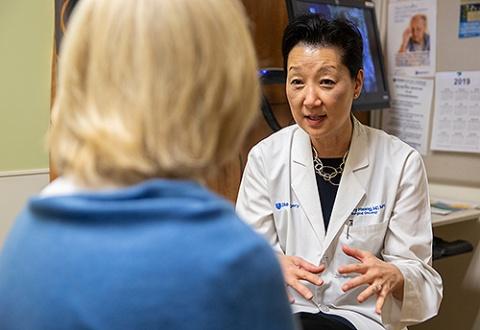
Balancing Act
When Shelley Hwang, MD, MPH, is in the operating room performing surgery on a patient with breast cancer, she focuses all of her considerable experience, skill, and knowledge on the task at hand: g

Divide and Conquer: Responding to COVID-19 with Residency Platoons
To care for patients, healthcare providers must stay healthy themselves. During the initial weeks of the COVID-19 pandemic, Duke’s surgical residency programs faced a serious challenge: how to keep their residents safe, healthy, and available, while still meeting the needs of patients in a rapidly changing global landscape.

Surgical Case Selection: How the Laboratory for Transformative Administration Works with Surgeons to Schedule Cases During COVID-19
Hospitals and the many healthcare professionals working in them strive to bring the best care to their patients no matter the circumstance.
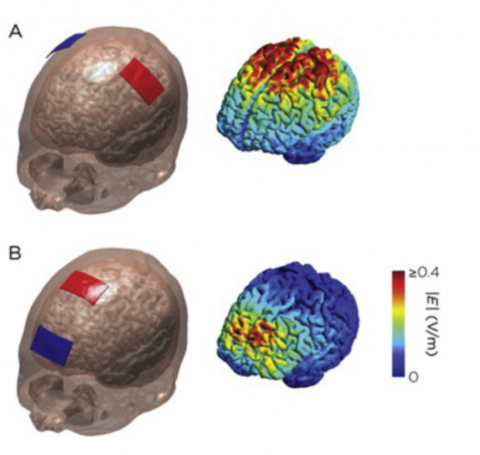
Electrical Brain Stimulation May Help Surgeons Learn Technical Surgical Skills Faster
General surgery residents are required to pass the Fundamentals of Laparoscopic Surgery (FLS) and Fundamentals of Endoscopic Surgery simulation-based certifications in accordance with the America

A Portal Into Cancer Care: Growing a Hepatopancreatobiliary Surgery Program Through New Treatments
How can a surgical program define and measure growth? The number of incoming patients? Surgical outcomes? Or is it the perioperative experience of the patient?
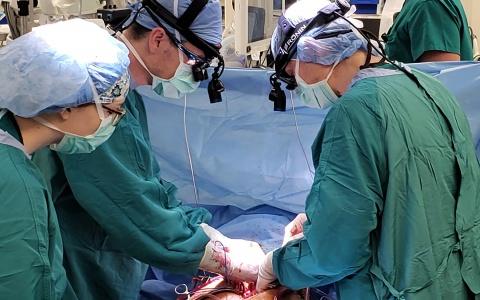
Giving Life: Duke Surgeons Perform First Donation After Circulatory Death Heart Transplant in the United States
Approximately 6 million patients in the United States live with heart failure. Of those, 10% will progress to end-stage heart failure. While there is no cure, heart transplantation can bring hope to patients when other treatments no longer can.