
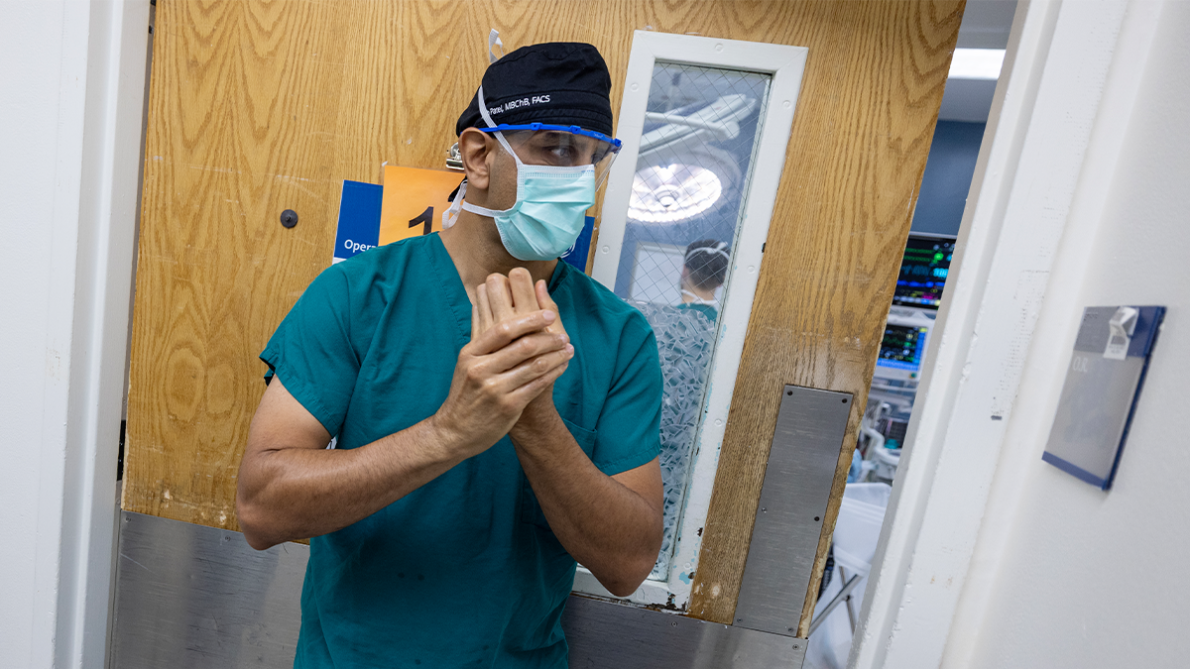
The popularity of GLP-1 drugs has created a new generation of body contouring patients and a new set of challenges for plastic surgeons.
New research from Duke University School of Medicine suggests that how much weight patients lose — and how fast — could impact surgical results to tighten or remove excess skin after massive weight loss.
For a recent study published in Plastic and Reconstructive Surgery Duke researchers analyzed more than a decade of abdominal body contouring procedures such as tummy tucks and found that patients who lost large amounts of weight quickly faced higher risks of surgical complications.
The more than 500 patients studied were grouped based on how they lost weight: through bariatric surgery alone, GLP-1 medications such as semaglutide and tirzepatide alone, or a combination of both.
The highest complication rates were seen among patients who combined surgery with GLP-1 drugs that reduce appetite. These patients not only lost the most weight overall, about 29% of their body weight (compared to 10% among GLP-1 users), but did so at the fastest rate.
But those rapid changes may come with tradeoffs, said senior study author and professor of surgery Ash Patel, MBChB, a plastic and reconstructive surgeon at Duke Health.
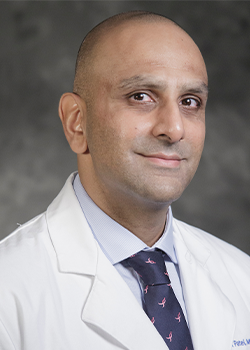
“These are highly effective weight loss tools, and they are changing the patient population we see in body contouring,” Patel said. “We’re operating on people whose bodies have undergone rapid, profound changes and that affects healing.”
Compared with other groups, patients who used both treatments were significantly more likely to develop seromas — pockets of fluid that can form under the skin during surgery — as well as hematomas, or collections of blood that require medical attention. They were also far more likely to need another surgery.
Patients who had both bariatric surgery and GLP-1 therapy returned to the operating room at a rate of 29.6% compared with 5.1% among patients without medical weight loss.
While bariatric surgeries like gastric bypass have been around for decades, newer GLP-1 drugs — the acronym stands for glucagon-like peptide-1, a gut hormone the medicines are designed to mimic to reduce appetite — have opened the door for patients who are not severely obese to pursue weight loss.
But the next step isn’t simple. Body contouring procedures, which can include tummy tucks, breast lifts and procedures to tighten sagging skin on arms and thighs, are often perceived as minor or purely cosmetic. In reality, surgeons say, they are major operations that require large incisions and substantial healing demands.
“We’re seeing an explosion of patients coming in and asking, ‘What can you do for this extra skin?’ ” Patel said.
At the same time, expectations have evolved. Greater openness about weight loss treatments along with social media and celebrity influence has made people more aware of their appearance and more likely to pursue the procedures.
Preparing the Body for Recovery
The study suggests that the body’s response to rapid weight loss may help explain the higher complication rates.
Patients who lose weight through slower, sustained lifestyle changes may experience fewer issues because their bodies — and their skin — have more time to adapt. In contrast, rapid weight loss can weaken tissue quality and affect healing.
“The amount of weight loss and the speed of weight loss are both important,” the surgeon said.
Among those studied, most weight loss surgery patients sought body contouring about two years later, while those in the GLP-1 group had stopped taking the medications just 10 weeks prior to plastic surgery after taking the medication for 103 weeks.
"This is not about discouraging weight loss. Far from it. It's about optimizing outcomes. We want patients to look and feeld better and to get through surgery safely."
- Ash Patel, MBChB, Professor of Surgery
Patients considering body contouring after significant weight loss should have detailed discussions with their care teams about timing, expectations, and potential risks, particularly if they have used or are using multiple weight loss strategies at once.
Doctors are focusing on ways to lower surgical risks where possible, including optimizing nutrition, ensuring adequate protein intake, and addressing other factors such as diabetes and smoking.
After massive weight loss, patients commonly develop deficiencies in vitamins A, D, E, K, and B12, as well as folate, copper, and iron. Many of these nutrients play essential roles in wound healing.
“We do everything we can to minimize risks,” the surgeon said. “But we also need patients to understand their role by following instructions, wearing compression garments, and allowing their bodies time to heal.”
Beyond the Scale
As weight loss treatments continue to evolve, researchers say understanding their downstream effects will be essential — not just for plastic surgeons, but for the broader medical community.
At the microscopic level, the body changes in different ways depending on how weight is lost. Bariatric surgery alters how the body absorbs nutrients, while GLP-1 drugs work differently.
Researchers are trying to understand how these differences affect complication rates, especially compared with weight loss from diet and exercise.
No matter how it’s achieved, whether through surgery, medication or lifestyle changes, sustained weight loss is an effective way to lower the risk of diabetes, heart disease, and high blood pressure and improve long-term health.
“This is not about discouraging weight loss — far from it,” Patel said. “It’s about optimizing outcomes. We want patients to look and feel better and to get through surgery safely.”
Additional authors: Joel Liang, Cathey Jackson, Mohamed Liban, Victoria Yi, Brooke E. Barrow, and Detlev Erdmann.
Shantell Kirkendoll is a Senior Science Writer and Managing Editor for the Duke University School of Medicine. View the original article on the School of Medicine Newsroom.